
 admin
admin
Vision of the Healing Horizon’s Equine Ranch
Equestrian Healing program for young men
Executive Summary
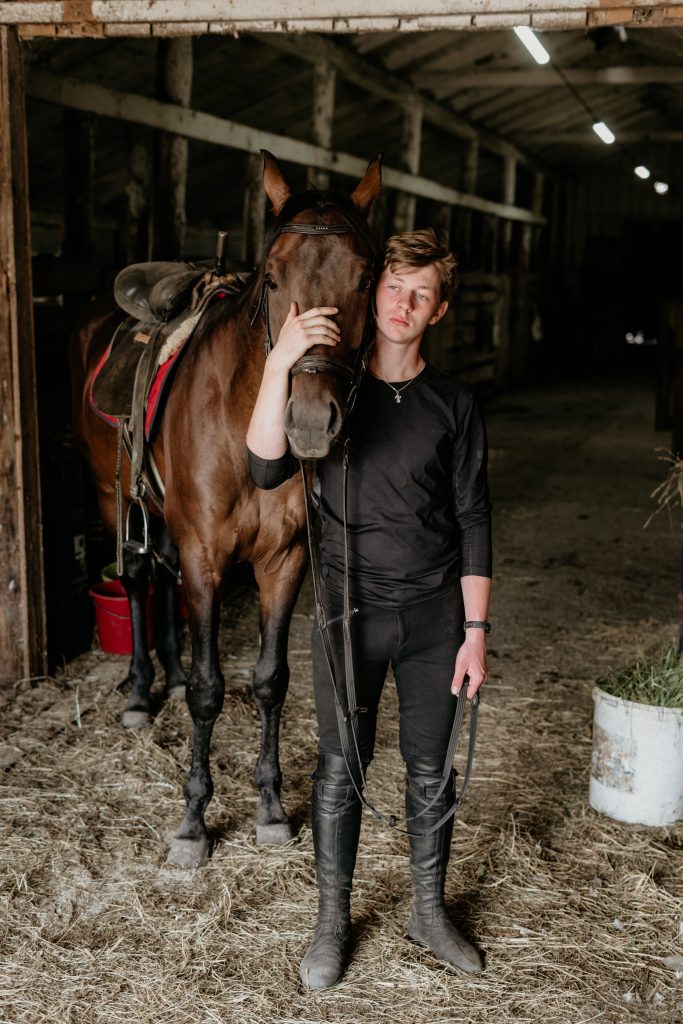
Healing Horizons Ranch will be a long-term, intensive residential treatment and recovery facility dedicated to young men 12–18 who have endured the most severe forms of sexual abuse, including Satanic Ritual Abuse (SRA). Set on a working ranch, the program integrates trauma-informed clinical care with a structured military-school-style framework that builds responsibility, self-discipline, and purpose. A nurturing, healing environment ensures emotional safety while Cathy O’Brien’s “PTSD: Time to Heal” philosophy guides educational and therapeutic healing.
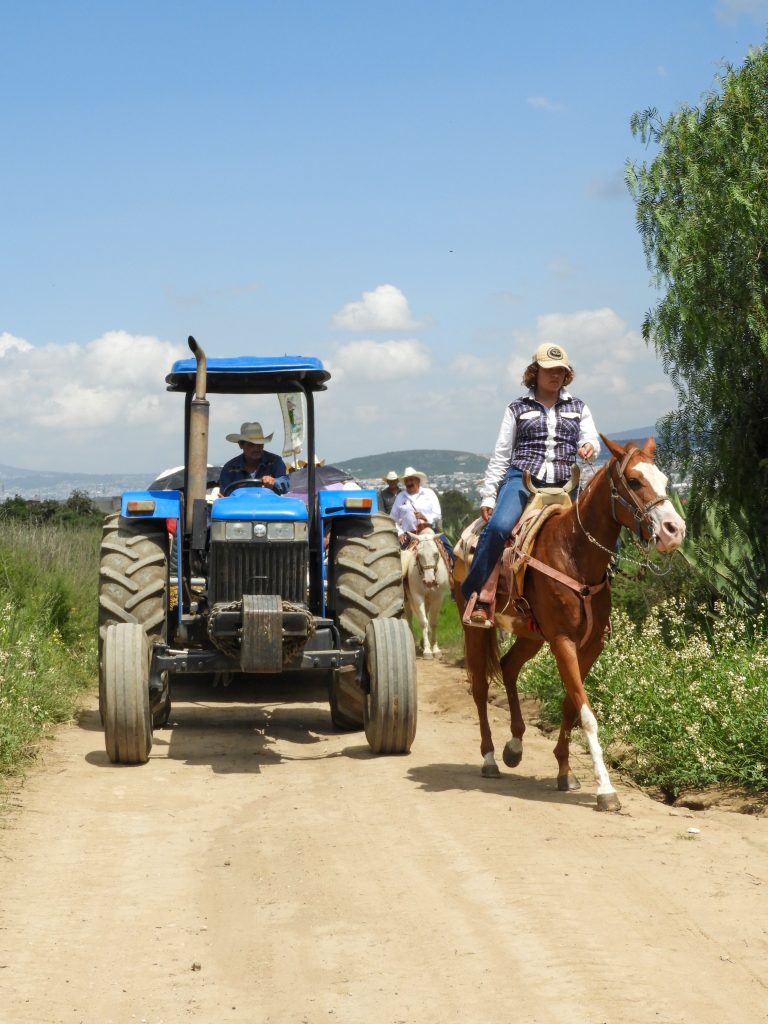
The ranch setting provides daily hands-on work with horses, ranching skills training, and outdoor experiential learning. Strong partnerships with military veterans will serve as mentors, instructors, and role models, offering sponsorship, funding, and direct participation. This unique blend of structure, nurture, skill-building, and veteran-guided mentorship aims to transform trauma into resilience, preparing young men for healthy, independent adulthoods.
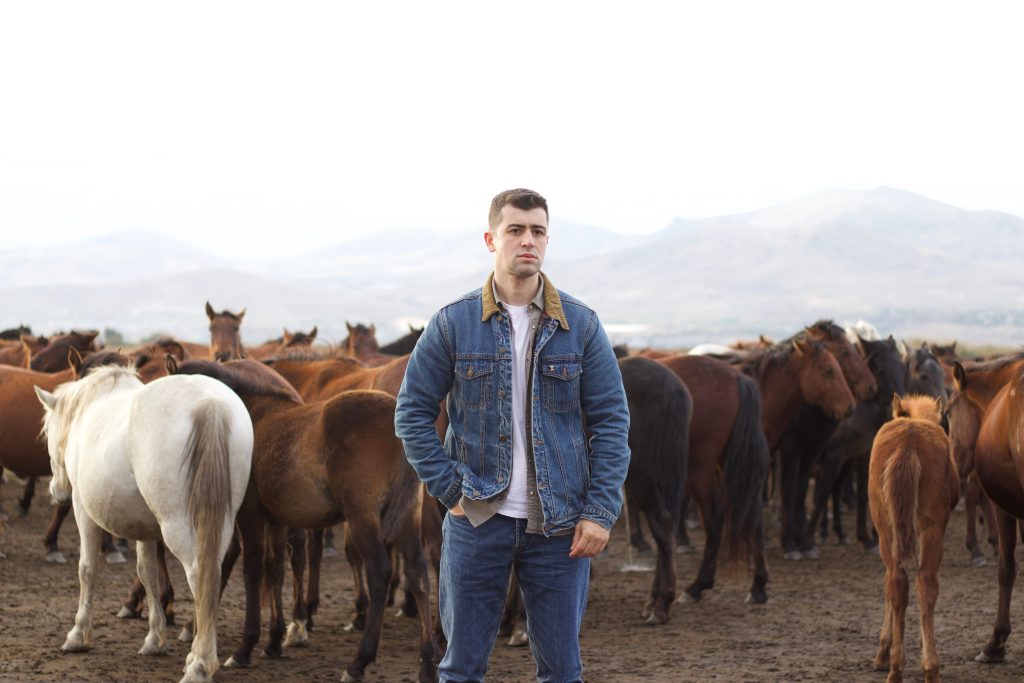
Set on a working ranch, the program integrates trauma-informed clinical care with a structured military-school-style framework that builds responsibility, self-discipline, and purpose. A nurturing, healing environment ensures emotional safety while Cathy O’Brien’s “PTSD: Time to Heal” philosophy guides educational and therapeutic healing.
Mission and Philosophy
Healing Horizons Ranch exists to provide comprehensive, long-term recovery for young men who have survived profound sexual trauma. Our mission is to restore dignity, rebuild trust, and instill the internal strength needed to overcome betrayal and violation.
The program is grounded in Cathy O’Brien’s “PTSD: Time to Heal” framework, which emphasizes reclaiming personal narrative, breaking dissociative patterns, and integrating mind-body-spirit healing. Clinical services will be trauma-focused (EMDR, somatic experiencing, attachment-based therapy, etc.) while daily life reinforces empowerment through responsibility and achievement.
Target Population
• Young men ages 12–18 who have experienced severe, complex sexual abuse, including SRA.
• Young men who have stabilized enough medically/psychiatrically to engage in a structured ranch environment but still need intensive support.
Program Model: Structure, Nurture, and Purpose
Military-School Style Structure with Ranch Responsibilities.
Young men will follow a clear daily schedule that includes:
• Accountability routines.
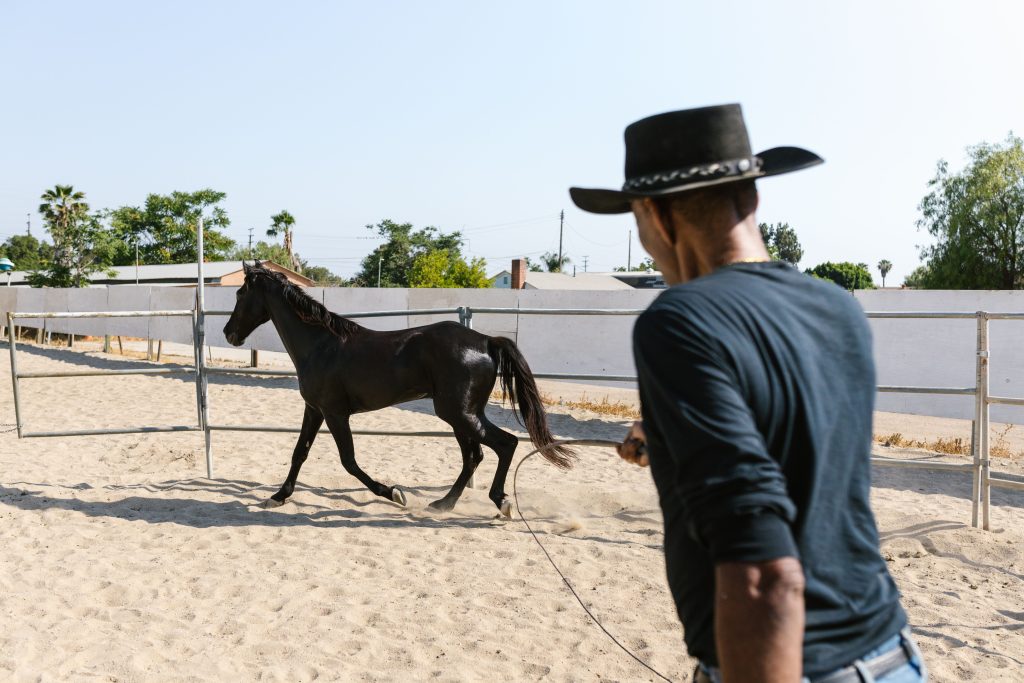
• Assigned ranch duties (horse care, agricultural farming & grounds maintenance, basic ranch operations).
• Structured academics and therapeutic groups.
• Physical training and team challenges led by veterans.
This framework fosters self-discipline, time management, and pride in contribution without harshness. Responsibilities are age-appropriate and progressively increased, giving boys tangible proof of their competence and reliability.

Equine Nurturing Therapeutic Environment
• Small, family-style living pods with consistent, trained house parents and counselors.
• 24/7 trauma-informed staff trained in de-escalation, emotional regulation, and attachment repair.
• Individualized treatment plans that integrate Cathy O’Brien’s healing principles with evidence-based therapies.
• Safe, predictable routines balanced with compassion and unconditional positive regard.

Ranch-Based Experiential Healing -The working ranch provides powerful therapeutic opportunities:
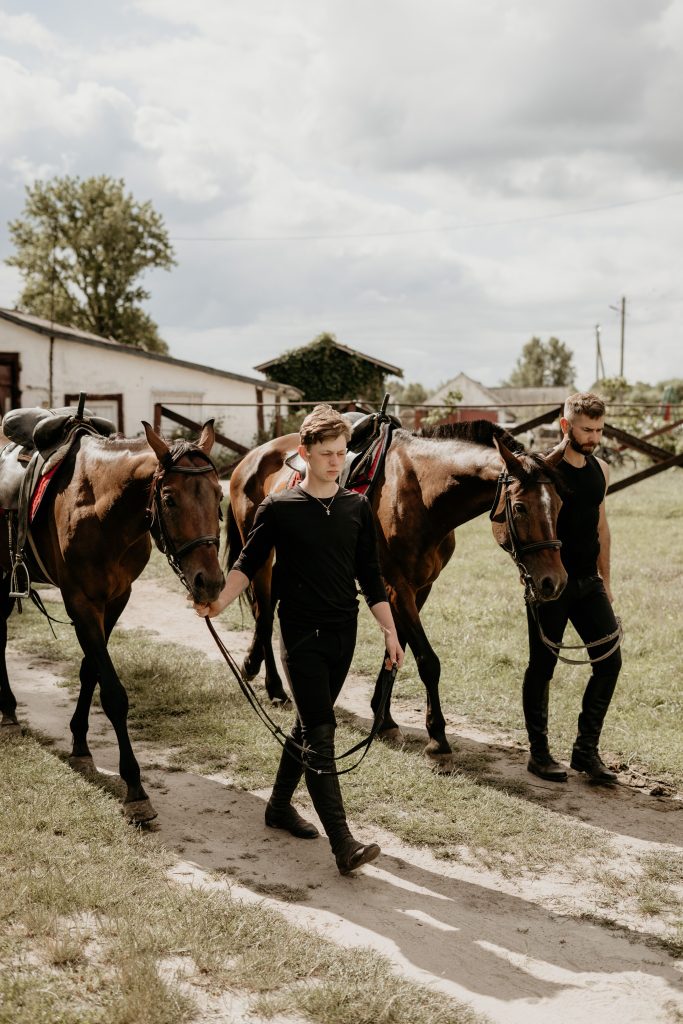
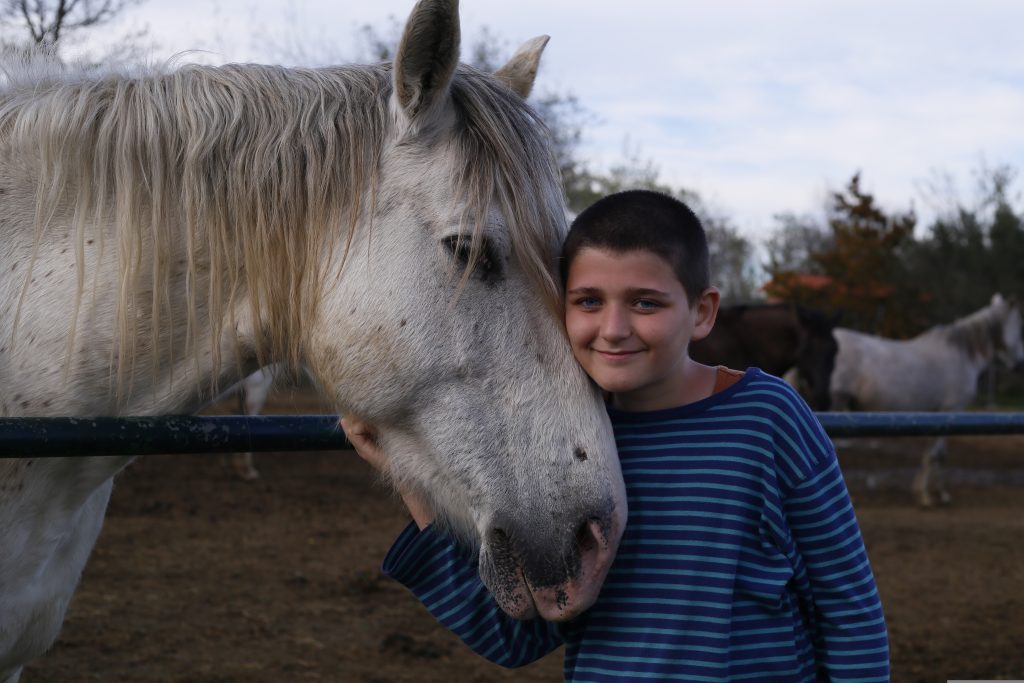
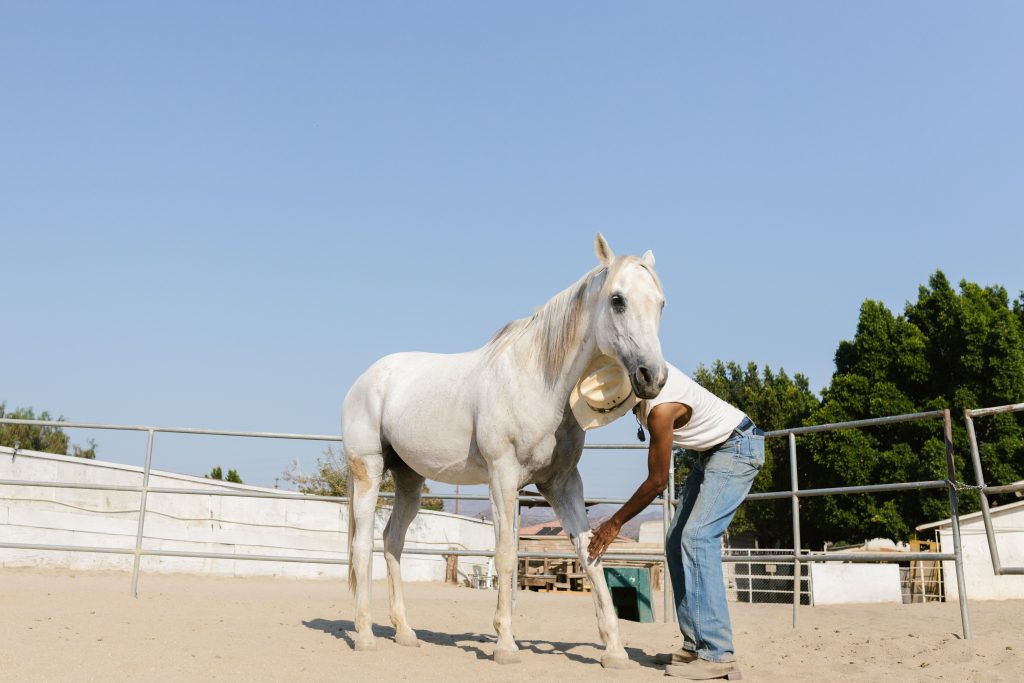
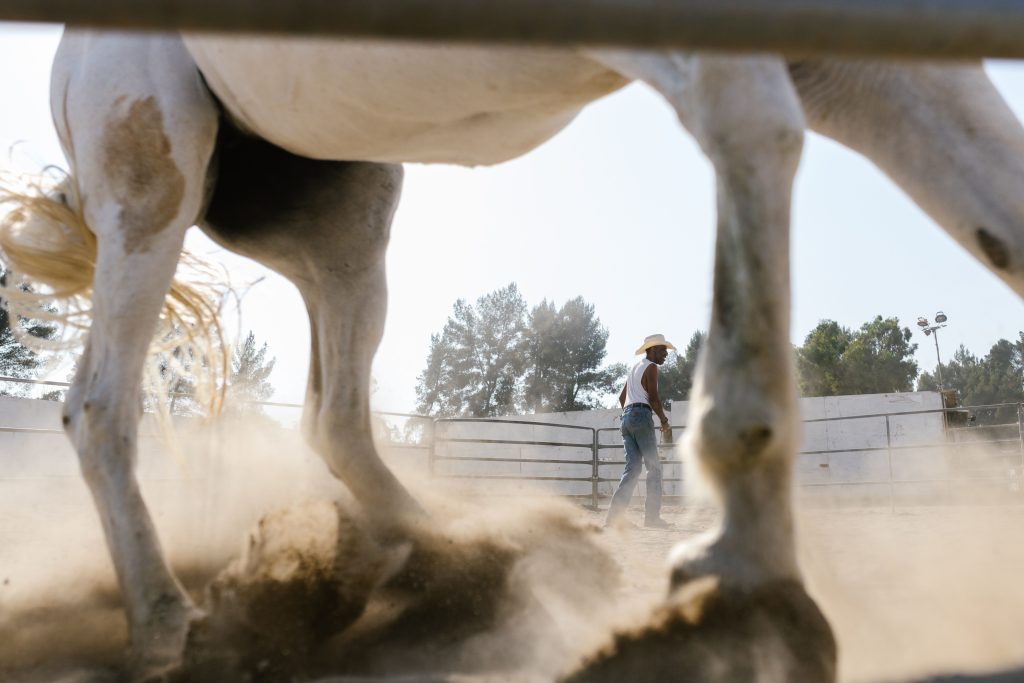
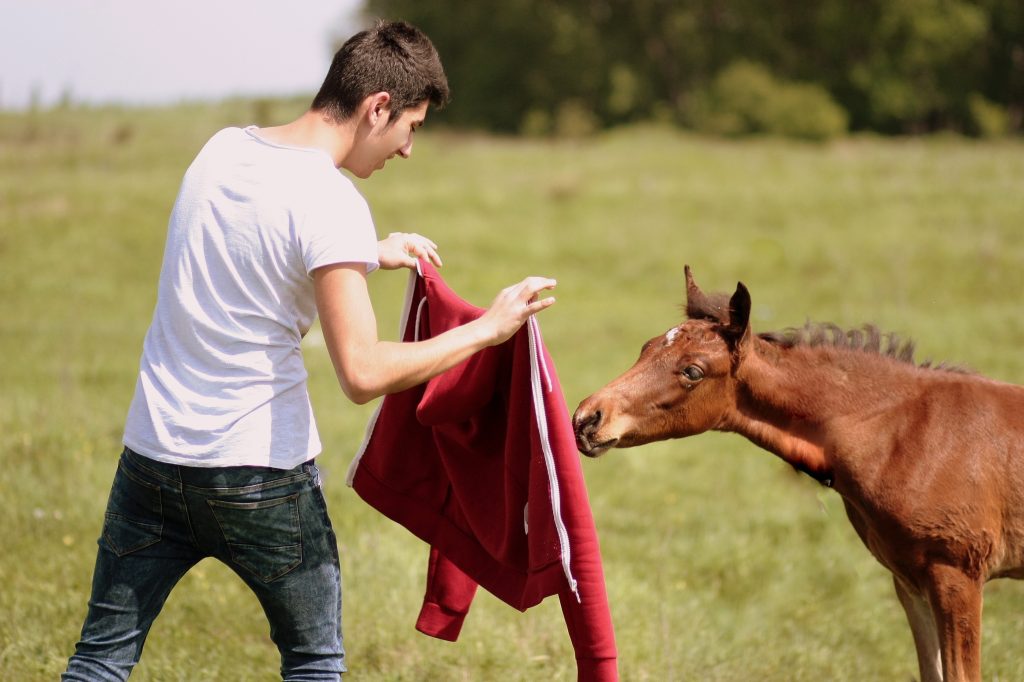
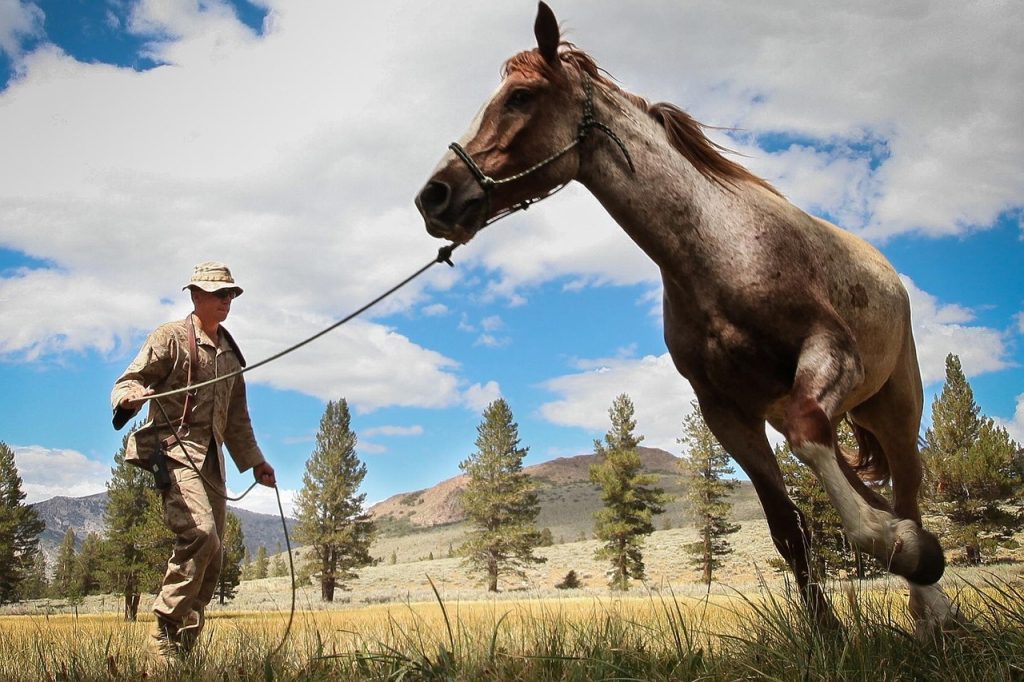
• Equine assisted therapy- daily horse care (grooming, feeding, riding under instruction).
to build empathy, consistency, and gentle leadership.
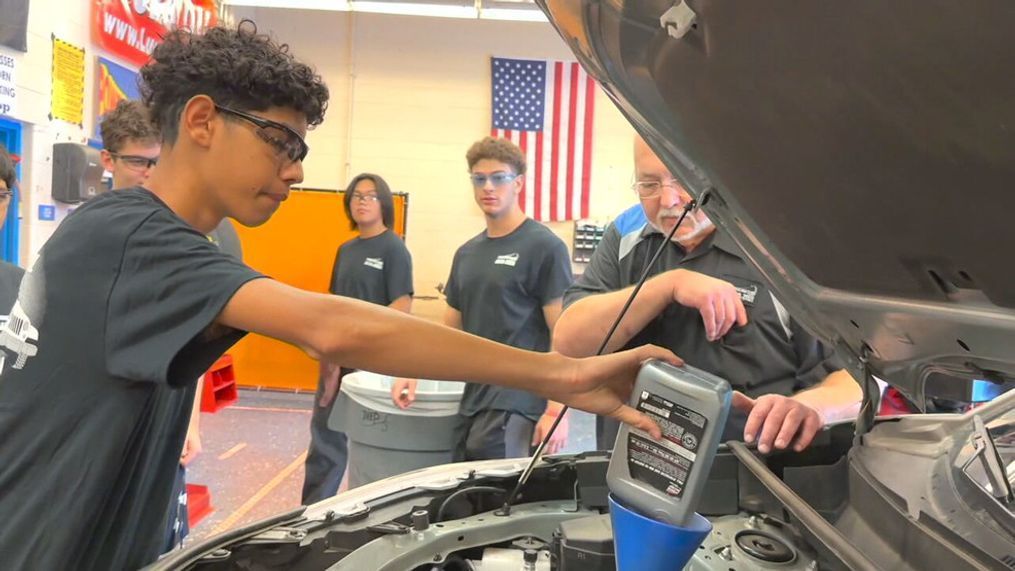
• Ranching skills: fencing, gardening, basic animal health, sustainable land management, and vocational training.
• Outdoor adventure elements (hiking, camping, team obstacle courses) that build confidence and peer trust.
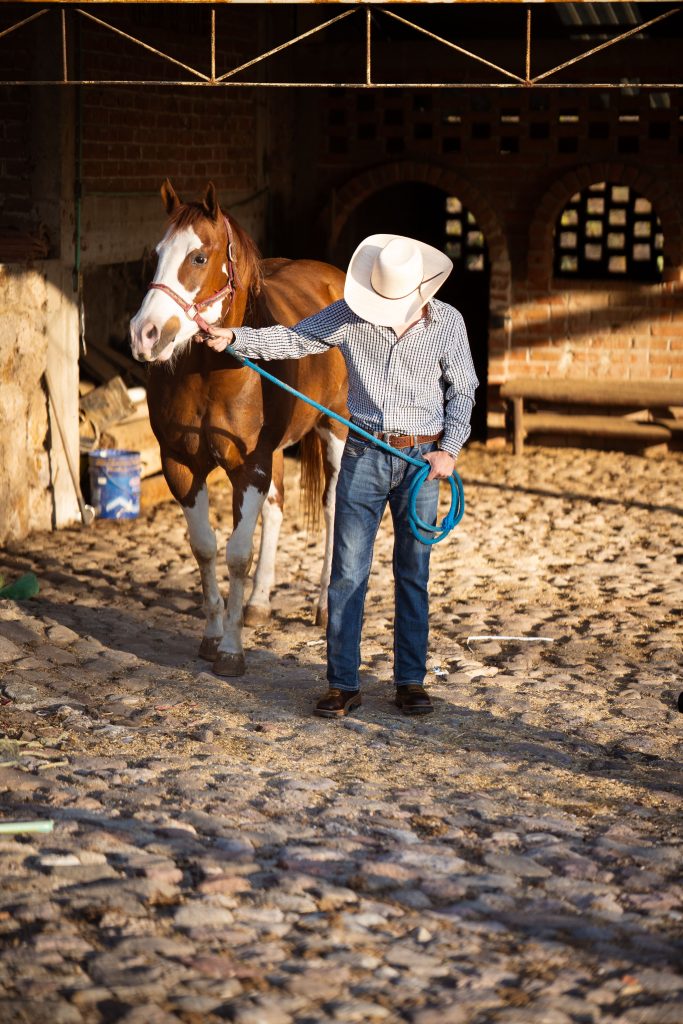
These activities leverage the proven healing power of animals and purposeful work, especially effective for young men who have experienced profound betrayal by adults.

Veteran Integration and Sponsorship
A cornerstone of Healing Horizons Ranch is deep collaboration with military veterans:
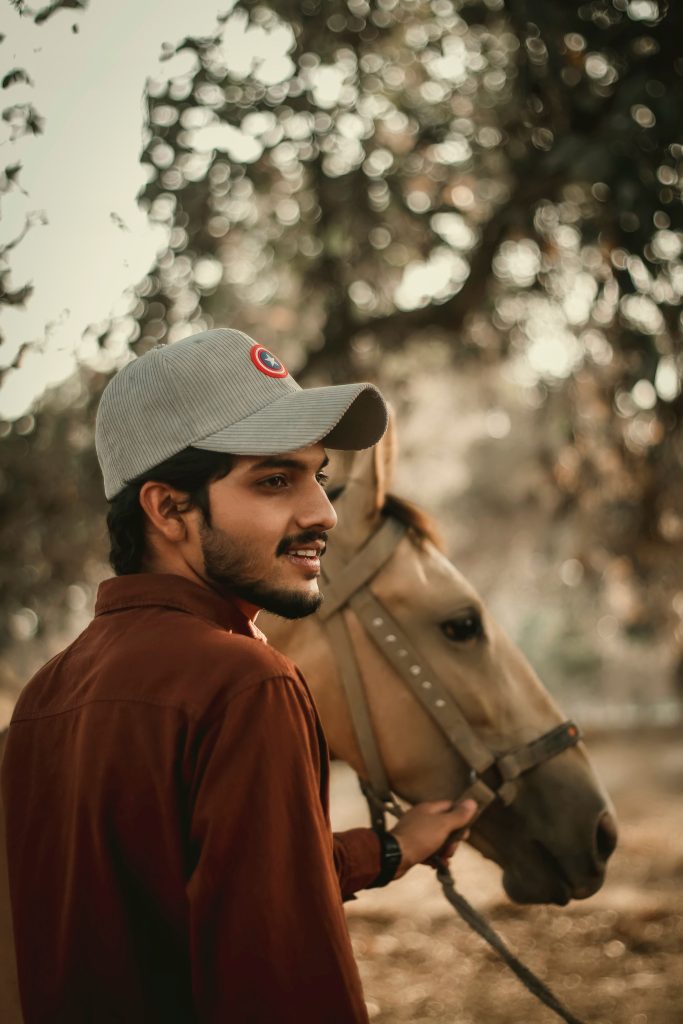
• Veterans as mentors, ranch instructors, and life-skills coaches.
• Veteran-led physical training, leadership development, and character-building programs.
• Sponsorship and funding partnerships with veteran service organizations, corporate veteran initiatives, and individual donors.

• Transition-to-adulthood support that connects graduates with veteran-supported trade programs, education, or employment pathways.
Veterans bring discipline, resilience modeling, and a unique capacity to understand trauma and recovery. Their involvement will help secure sustainable funding and create authentic male role models who demonstrate strength through service and integrity.

Educational and Clinical Components
• Accredited academic instruction tailored to each boy’s level, with credit recovery and enrichment.
• Trauma-focused educational healing sessions rooted in “PTSD: Time to Heal.”
• Life skills, financial literacy, vocational certifications, and future-planning workshops.
• Ongoing psychiatric and medical oversight.

Facility and Location
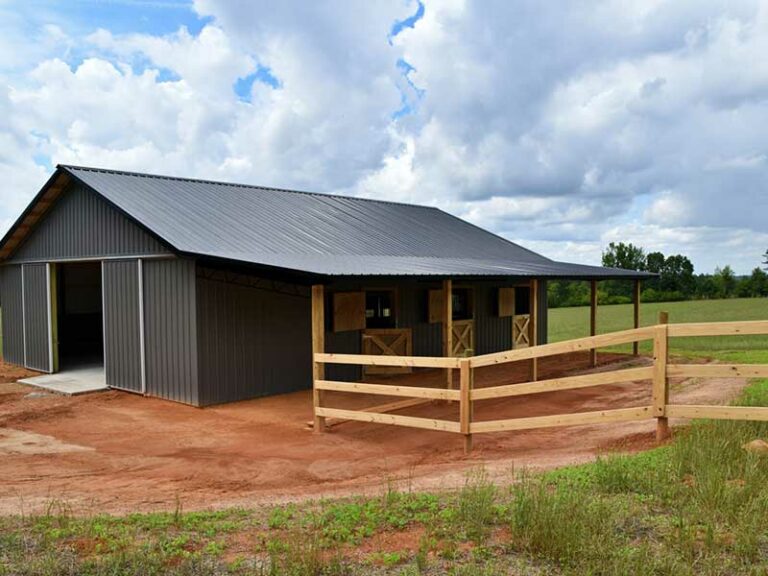
A rural ranch setting with:
• Secure but non-institutional living quarters.
• Barns, arenas, and equine facilities.
• Classrooms, therapy spaces, and recreational areas.
• Medical/clinical building.
Location will prioritize access to nature while maintaining reasonable proximity to medical and emergency services.
Staffing and Safety
• Licensed clinicians, trauma specialists, and educators.
• Ranch managers and equine experts.
• Veteran mentors with background checks and specialized training.
• Rigorous safety protocols, continuous staff training, and external oversight/audits.
• Zero-tolerance for any form of abuse or exploitation.
Funding and Sustainability
• Blend of private sponsorship (especially veteran-affiliated), grants, fundraising, and potential public contracts.
• Ranch operations (produce, equine programs, experiential education) will generate partial revenue.
• Endowment development for long-term viability.
Expected Outcomes
Young men will demonstrate:
• Significant reduction in PTSD symptoms and trauma-related behaviors.
• Improved emotional regulation, self-worth, and interpersonal trust.
• Mastery of ranch/vocational skills and academic progress.
• Readiness for successful transition to independent living, further education, or trade careers.
• A restored sense of purpose and belonging.

Equine Therapy Research and Examples for Severely Traumatized Youth
Research on equine-assisted therapy (also called equine-facilitated psychotherapy or equine-assisted services) shows promising benefits for trauma survivors, including children and adolescents with histories of sexual abuse and complex PTSD. While many studies are small or preliminary and call for larger randomized trials, the existing evidence consistently points to meaningful improvements in PTSD symptoms, emotional regulation, trust, and overall functioning.
Key Research Findings
*A 2023 meta-analysis of 16 controlled studies involving over 1,000 youth found a medium, statistically significant overall effect of equine-assisted interventions on psychosocial outcomes (effect size d = 0.535). Benefits were particularly clear for reducing internalizing problems (anxiety, depression, withdrawal) and externalizing problems (aggression, acting out), as well as improving adaptive skills. link.springer.com
*Studies focused specifically on sexual abuse and complex trauma report reductions in PTSD symptoms, depression, anxiety, and behavioral issues. For example, one program evaluation with children and adolescents who had been sexually abused found significant improvements in psychological distress after equine-facilitated therapy that were not seen during prior traditional counseling alone. Another study of commercially sexually exploited youth highlighted gains in emotional regulation, distress tolerance, self-confidence, and the ability to trust others—outcomes participants directly linked to the horse relationship. link.springer.com
*Research with veterans (highly relevant because of overlapping complex trauma patterns) shows average PTSD symptom reductions of around 20–25% on standardized scales, with improvements in hyperarousal, avoidance, and emotional numbing that often persist at follow-up. Meta-analyses confirm statistically significant drops in PTSD scores after equine-assisted services. link.springer.com
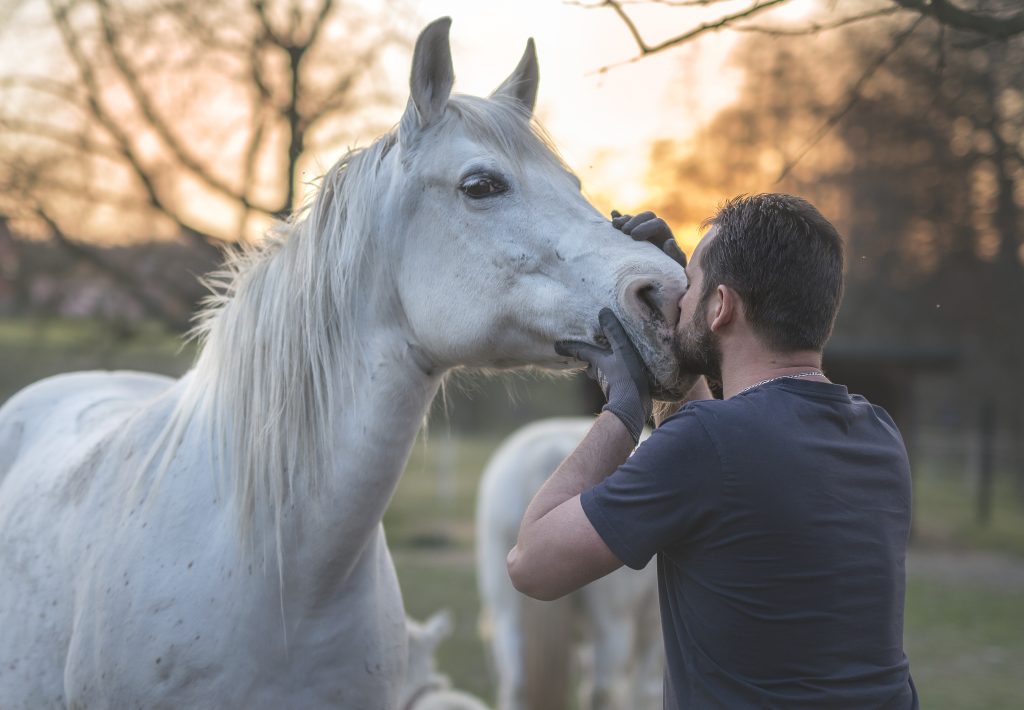
*Horses appear uniquely effective because they are highly sensitive to nonverbal cues and emotional states. This allows traumatized youth—who often struggle with verbal processing or feel unsafe with people—to practice co-regulation, boundaries, and trust in a non-judgmental way. Physiological benefits (calming of the nervous system, reduced cortisol responses in some studies) and the responsibility of caring for a large animal further support mastery and self-efficacy.
Real-World Examples
• Phoenix House program (Australia): Children and adolescents referred for sexual abuse showed marked reductions in distress and behavioral problems after 9–10 weeks of equine-facilitated therapy, with similar benefits across age and gender.
• Studies with commercially sexually exploited youth: Participants described the horses as providing “understanding and patience” they had not found in talk therapy, leading to improved self-relationship and reduced trauma symptoms.
• Veteran programs (e.g., manualized EAT-PTSD protocols): Open trials report clinically significant PTSD symptom drops in roughly half of participants, with gains in depression and functioning that hold at 3-month follow-up. These models are increasingly adapted for youth trauma work.
• Equine Facilitated Therapy for Complex Trauma (EFT-CT): Integrates horse work with established frameworks like Attachment, Regulation, and Competency (ARC), showing promise for youth with prolonged interpersonal trauma.
When combined with Cathy O’Brien’s PTSD: Time to Heal principles—which emphasize reclaiming narrative, ending dissociation, and mind-body integration—equine work becomes especially powerful. The daily, embodied interaction with horses provides concrete opportunities to practice the very skills of presence, self-regulation, and safe connection that Time to Heal teaches, making abstract healing concepts tangible and lived.
In short, the research supports equine therapy as a valuable complementary approach for the most severely abused boys and young men: it reaches them where traditional talk therapy often cannot, rebuilds foundational trust and regulation, and creates conditions for deeper trauma resolution.
Next Steps
We seek partners, sponsors, veteran organizations, clinicians, and donors committed to this specialized mission. With the right support, Healing Horizons Ranch can become a national model for healing the most severely traumatized young men through structure, nature, veteran-guided mentorship and the profound healing of equine therapy.
This program honors the courage of these young survivors by offering them not just safety, but the tools, responsibility, and relationships they need to reclaim their lives.
Healing Horizons Ranch is a specialized long-term residential recovery program for boys ages 12–18 who have survived the most severe forms of sexual abuse, including Satanic Ritual Abuse (SRA). Located on a working ranch, the program provides intensive trauma treatment in a secure yet nurturing environment that restores dignity, responsibility, and hope.
The Power of Structure Meets the Science of Healing
Healing Horizons uniquely combines proven military-style structure and accountability with the transformative science of Cathy O’Brien’s PTSD: Time to Heal philosophy. This powerful integration delivers disciplined daily routines, clear responsibilities, and veteran-led leadership training while simultaneously addressing dissociation, reclaiming personal narrative, and facilitating deep mind-body-spirit healing. The result is a balanced model that builds self-discipline and purpose without sacrificing compassion—creating the ideal conditions for lasting recovery in adolescent male survivors.
Core Elements
• Military-inspired accountability, ranch duties, and veteran mentorship that foster self-discipline and male role modeling.
• Daily equine-assisted therapy and animal care that build trust, emotional regulation, and non-verbal safety.
• Trauma-focused clinical care rooted in PTSD: Time to Heal, integrated with evidence-based therapies.
• Accredited academics, vocational ranch skills, and structured transition planning.
• Capacity of 50 boys with high staff ratios and long-term stays (6–24+ months).
Financial Snapshot
Startup capital: $10.2–$11.8 million
Annual operating budget (full capacity): $5.0 million ($100,000 per boy / ~$274 per day)
Expected Outcomes
Significant reduction in PTSD symptoms, restored self-worth and emotional regulation, mastery of practical skills, and successful transition to independent, purposeful adulthood.
Healing Horizons Ranch stands as a national model for transforming the deepest trauma into resilience through the powerful alliance of military structure, equine healing, veteran mentorship, and the science of recovery found in PTSD: Time to Heal.
Financial Overview -Total Startup / Initial Capital Requirement: $10.2 – $11.8 million. This covers land acquisition, construction, ranch infrastructure, initial equipment (including horses), furnishings, vehicles, and pre-launch staffing and training. Annual Operating Budget (at full capacity of 50 boys): $5.0 million, Per-Boy Annual Cost: $100,000 (approximately $274 per day)
Breakdown of Startup vs. Ongoing Costs
Total Estimated Initial Budget: $10.2 – $11.8 million
Major Categories:
1. Land Acquisition – $2.8 – $3.5 million (50–100+ acres)
2. Project Management – $350,000
3. Administration, Marketing & PR – $150,000
4. Construction & Facilities – $4.4 – $5.0 million
5. Infrastructure – $1.6 – $1.9 million
6. Medical Equipment, Furnishings & Ranch Setup – $1.2 – $1.4 million
7. Staff Salaries (Year 1) – $2.9 – $3.3 million
8. Training – $45,000
9. Vehicles & Equipment – $380,000
10. Computing & Supplies – $330,000
Pre-Start Development Cost (first 5–6 months): $6.8 – $7.5 million
Annual Operating Budget (at full capacity): $4.6 – $5.2 million
Funding will combine private sponsorships (especially veteran-affiliated), specialized grants, per-diem contracts, and ranch-based revenue.
Staffing Overview
Leadership and clinical staff are right-sized for intensive adolescent care. Key roles include trauma therapists, equine specialists, veteran mentors, academic/vocational instructors, and direct care mentors. The model prioritizes experienced professionals trained in male adolescent trauma, dissociation, and ranch-based experiential therapy.
Development Timeline
• Pre-Start Phase (2026–2027): Land acquisition, design, leadership hiring, construction, and comprehensive staff training.
• Operations Launch: Phased intake beginning with a small cohort, scaling to 50 young men within 12–18 months.
• Full Operation: Ongoing service delivery with continuous monitoring and quality improvement under Board oversight.